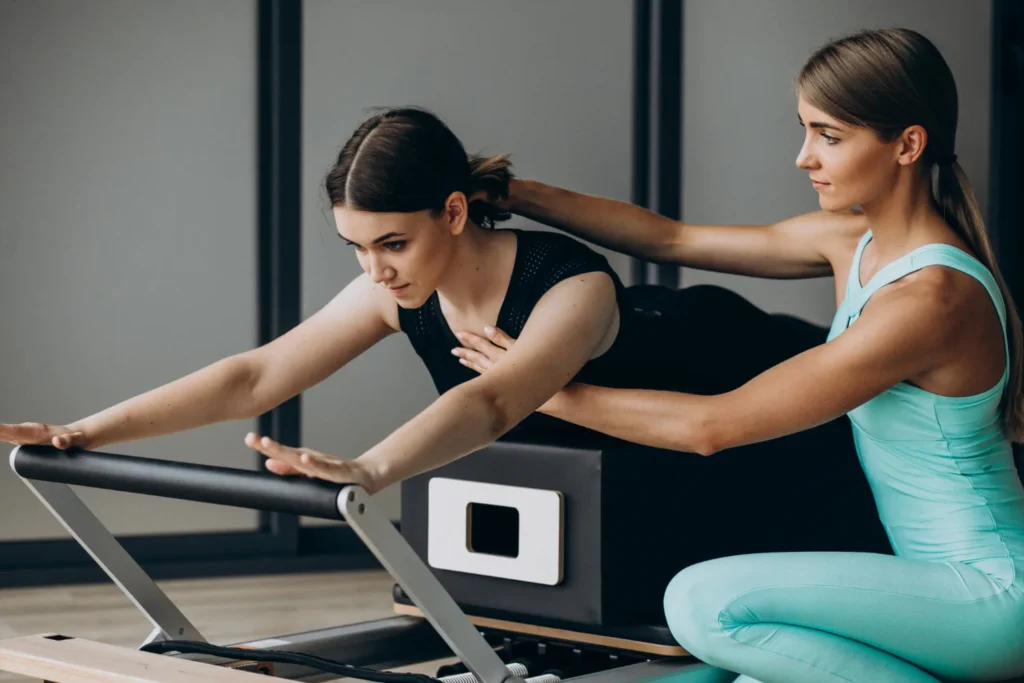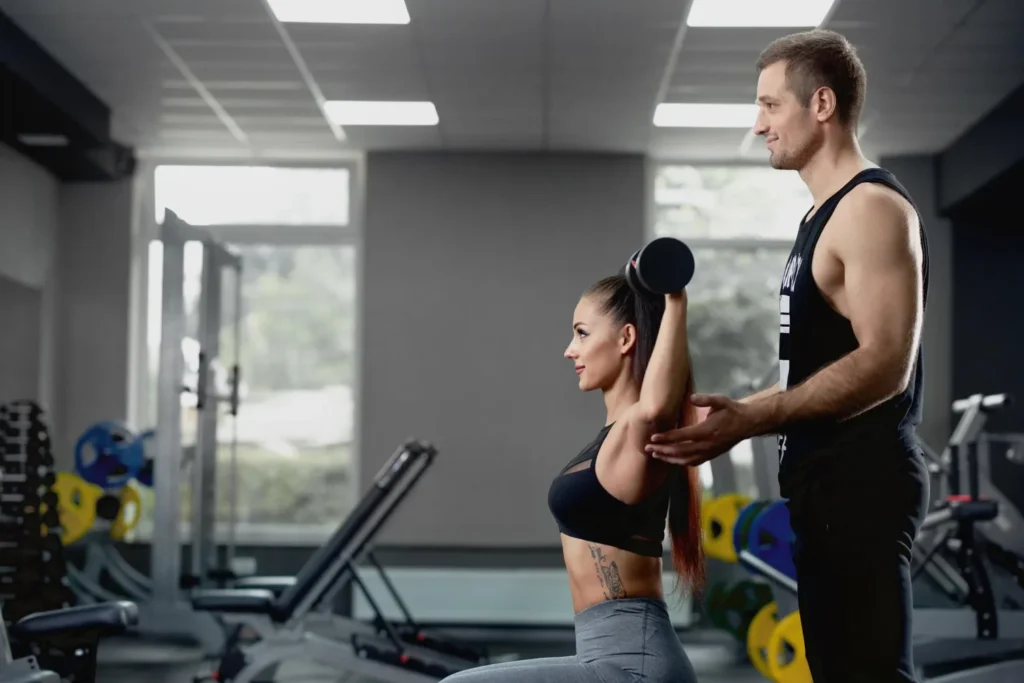
High-intensity training works, mainly because it gets the same result as steadier cardio in less time. The “afterburn” story is oversold, and Bangkok adds two local risks most guides skip: heat and haze. Here is what the research supports and how to choose a class.
HIIT in Bangkok has gone from a niche trend to the default group-class format. Boutique studios, CrossFit-style boxes, gym timetables and rooftop sessions all sell some version of “short, hard, effective,” and the pitch is mostly true. The trouble is the part that has been added on top: miracle calorie claims, an afterburn that supposedly lasts a day or more, and no mention of what exercising at maximum effort does in a hot, humid city with a seasonal air-pollution problem.
This guide separates the evidence from the marketing, covers HIIT versus steady cardio, the local risks, and what to look for in metabolic conditioning in Bangkok before you pay for a class.

What HIIT and metabolic conditioning actually mean
High-intensity interval training alternates hard efforts with recovery periods. Metabolic conditioning, usually shortened to MetCon, is the circuit-style cousin: full-body movements strung together with little rest, common in CrossFit-style classes. The two overlap heavily, and many Bangkok classes are hybrids of HIIT and strength work under whichever label sells.
The names describe a style, not a set intensity. Two classes both advertised as HIIT can differ enormously in how hard they really push, which is why the research, not the label, is the useful guide.
HIIT vs steady cardio: what the research says
The real advantage is time. A 2017 systematic review and meta-analysis in Obesity Reviews compared HIIT with moderate-intensity continuous training in overweight and obese adults. The studies averaged about ten weeks at three sessions a week. Both approaches reduced whole-body fat mass and waist circumference, and no body composition measure differed significantly between them. HIIT achieved that with roughly 40 percent less training time. The same review found that running programs produced large fat-loss effects in both groups, while cycling programs did not.
Fitness gains tend to favor HIIT, modestly. Other meta-analyses comparing the two approaches generally find similar or somewhat larger improvements in aerobic fitness with intervals, though for body composition the advantage becomes less consistent in some groups, such as college students. One analysis of young and middle-aged adults also found that neither approach significantly increased fat-free mass, which is a reminder that lean muscle comes from strength training, not from cardio of any kind.
HIIT is not better cardio. It is the same result in less time, if you can tolerate it.
The afterburn story is oversold
Gyms like to say a class keeps you burning calories for a day or more. The effect is real and has a name, excess post-exercise oxygen consumption, or EPOC. It is also small. A widely cited 2006 review in the Journal of Sports Sciences led to a commonly quoted estimate that EPOC adds roughly 6 to 15 percent to the energy cost of the workout itself. On a session that burns 500 calories, that is somewhere around 30 to 75 extra calories, which is a snack, not a transformation.
Treat these claims as red flags:
- “Burns fat for 24 to 48 hours.” The afterburn is real but modest, and it fades.
- A big calorie number on a studio screen. Heart-rate-based class numbers are estimates, not measurements.
- “Boost your metabolism.” EPOC is a temporary bump, not a changed baseline.
- Fixed-timeline promises. No class can guarantee a transformation in a set number of weeks.
HIIT in Bangkok: the heat problem
Strenuous exercise in high temperature and humidity is the textbook setup for heat illness. A clinical review in American Family Physician lists strenuous exercise, heat and humidity, and lack of acclimatization among the major risk factors, and advises that people build up duration, intensity, and heat exposure gradually over about two weeks. That matters for people newly arrived in Bangkok and for anyone returning from cooler weather who jumps straight into a hard session.
The practical consequences are simple. Indoor, air-conditioned studios are the safer default, and almost all commercial gyms in Bangkok are fully air-conditioned, whereas some CrossFit-style and martial arts gyms are open-air and rely on large fans. Rooftop and outdoor sessions deserve extra caution in the middle of the day: the Bangkok Metropolitan Administration has issued heat-index warnings advising people to limit outdoor activity between about 11 a.m. and 3 p.m. If you feel dizzy, nauseated, confused, or notice a racing heartbeat, stop and cool down. Heat stroke is an emergency.
The haze problem
Bangkok’s air tends to be worst from November through March, and that season is about to start. Pulmonologists quoted by the Bangkok Post advise against outdoor workouts during pollution episodes, noting that exercising means breathing faster and deeper and so inhaling more particles, and one specialist suggested reconsidering outdoor exercise when the air quality index goes above 100. Ordinary surgical masks do not filter PM2.5. Check live readings on AirBKK or Air4Thai before an outdoor session, and treat haze days as indoor days. That is one more argument for a good indoor class, and our guide to choosing a gym covers what to check.
Who should check with a doctor first
High intensity raises the stakes, and the screening logic is not complicated. The American College of Sports Medicine’s pre-participation guidance rests on three things: how active you currently are, whether you have symptoms or known cardiovascular, metabolic, or kidney disease, and how hard you plan to exercise. In practice, people with known heart, metabolic, or kidney disease who are not already exercising regularly, or who want to step up to vigorous intensity, should get medical clearance first, and so should anyone with symptoms such as chest discomfort or unusual breathlessness. Anyone who develops such symptoms during training should stop and be assessed.
Most healthy adults without symptoms do not need clearance, and they still do better building up gradually. If something hurts, see a professional early. Our back pain guide explains when to see a physiotherapist.
How to choose HIIT classes in Bangkok
Price and branding matter less than five things you can check in one trial class.
- Scaling. A good coach offers an easier and a harder version of every movement and does not shame anyone for taking the easier one.
- Technique coaching. Fast, fatigued repetitions are where form falls apart. Someone should be watching and correcting.
- Heat management. Air-conditioning or strong airflow, water breaks, and a coach who tells you to ease off on a bad day.
- Class size. Smaller groups get more individual attention.
- A sane weekly pattern. If the studio expects daily all-out sessions, it is selling frequency, not results. Hard days need recovery, and sleep and HRV are good indicators of whether you are getting it.
Bangkok has plenty of options across the format. F45-style studios operate in areas such as Asok and Silom, CrossFit boxes include one near Phloen Chit, and BASE Bangkok runs HIIT and strength programs. These are examples drawn from public listings, not a ranking, and we have not visited them. A monthly unlimited pass at these kinds of studios typically runs about 5,500 to 7,500 baht, with a drop-in or trial class available at many, and our price guide puts that against other options. If you want something harder and more skill-based, our Muay Thai for beginners guide covers another route to serious conditioning.
The short version
HIIT in Bangkok works because it delivers fat loss and fitness comparable to steadier cardio in about 40 percent less time, not because of any special metabolic magic. The afterburn effect adds only roughly 6 to 15 percent to a workout’s energy cost, so ignore claims of a day-long calorie burn and any promised timeline. Bangkok adds two local risks: heat, which calls for gradual acclimatization and a preference for air-conditioned studios, and the November to March haze season, which calls for indoor sessions on bad air days. People with heart, metabolic, or kidney disease or concerning symptoms should get medical clearance before vigorous training. Pick a class on scaling, coaching, heat management, and sane programming, and pair it with strength training.
This guide will be updated as HIIT research and Bangkok’s studios change. If you’re a coach or sports scientist and believe a detail here needs correction, contact us.
Sources
- Obesity Reviews (2017): The Effects of High-Intensity Interval Training vs. Moderate-Intensity Continuous Training on Body Composition in Overweight and Obese Adults, A Systematic Review and Meta-Analysis
- Journal of Sports Sciences (2006): Effects of Exercise Intensity and Duration on the Excess Post-Exercise Oxygen Consumption
- American Family Physician (2019): Heat-Related Illnesses
- Medicine and Science in Sports and Exercise (2015): Updating ACSM’s Recommendations for Exercise Preparticipation Health Screening