Bangkok doesn’t lack gyms — it has more variety than most people know what to do with, spread across budget 24/7 chains, mall-based mid-range clubs, luxury wellness centers, and a growing boutique scene. The mistake isn’t picking a bad gym. It’s picking the wrong type for how you actually train.
Most people choosing a gym in Bangkok default to whichever one is closest to their condo or has the flashiest lobby. That’s not a terrible strategy — location matters more than people admit, since the gym you’ll actually use consistently beats the “perfect” one three BTS stops away — but it skips a more useful first question: what kind of environment actually gets you to show up and keep training, long after the new-member motivation wears off?
This guide breaks down the real categories in Bangkok’s gym market, what each is genuinely good for, and how to match one to your actual goals instead of your Instagram feed.
The categories, honestly
24/7 budget chains (Jetts, Fitness24Seven, and similar). Straightforward, no-frills gym floors — solid free weights and machines, minimal extras, open around the clock. Monthly costs typically run in the lower range of the market. Best for people who train independently, keep odd hours, or simply want a reliable place to lift without paying for amenities they’ll never use.
Mid-range mall-based chains (Fitness First and comparable clubs). A step up in facilities and class variety — group classes, a broader equipment range, usually multiple locations accessible on one membership. A safe, flexible pick for people who want consistency and don’t need luxury extras, and a common choice for professionals who want a gym near the office as well as home.
Luxury/resort-style clubs (Virgin Active and similar). These are closer to wellness clubs than traditional gyms — pools, saunas, extensive class programming, sometimes genuinely unusual extras like salt rooms or specialty recovery zones. Priced accordingly, at the top of the market. Worth it if the amenities themselves are part of what keeps you consistent, less so if you just want to lift weights efficiently.
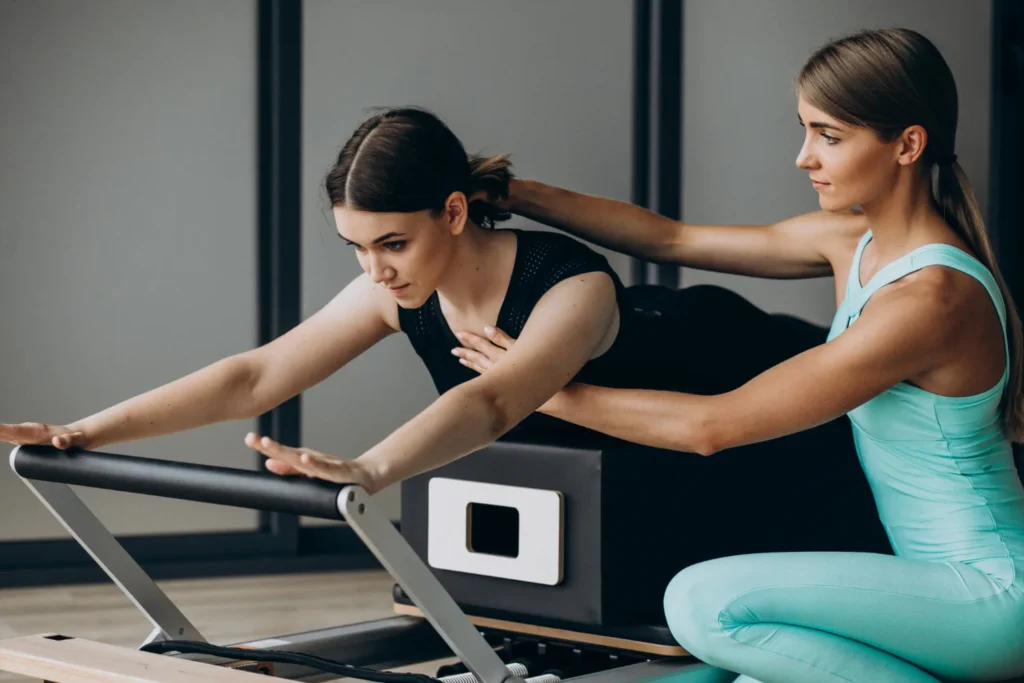
Boutique and data-driven studios (like The Lab, BASE, and similar smaller operations). Smaller class sizes, more coaching attention, often built around a specific training philosophy or technology (progress tracking, movement analysis). Tends to cost more per session than a chain gym membership, but the coaching density is the actual product, not just floor access.
Condo/apartment gyms. Free, already paid for through rent, and genuinely sufficient for a large share of people — especially anyone doing straightforward strength or cardio training without needing a huge equipment range. The honest limitation is equipment variety and, often, quality; a serious lifter will usually outgrow a condo gym’s rack and dumbbell selection within a few months.
CrossFit boxes and specialty training gyms. Built around a specific training methodology and, just as much, a community — these tend to have the strongest built-in accountability of any category, since group classes and shared workouts create social pressure to show up that a solo gym floor doesn’t.

What it actually costs
Bangkok’s gym pricing spans a wide range depending on category:
- Budget 24/7 chains: roughly 1,200–1,800 baht/month
- Mid-range chains: roughly 2,500–3,500 baht/month
- Luxury/resort-style clubs: roughly 4,000+ baht/month
- Boutique studios: typically sold as class packs rather than flat monthly rates, and priced per session more like a hybrid between a gym and personal training
- Day passes (useful if you’re traveling or testing a gym before committing): commonly 300–1,000 baht, priced deliberately high at premium clubs to nudge you toward a membership instead
Worth knowing before you sign anything: most Bangkok gyms push hard toward longer commitments, and single-visit pricing is intentionally uncompetitive compared to a monthly or annual rate. If you’re not sure a gym is right for you yet, ask specifically about a trial period or short-term option rather than accepting “day pass or annual membership” as the only two choices — most clubs have more flexibility than the sign-up desk leads with.
“The gym with the best equipment isn’t the best gym for you if you never actually go. Consistency beats optimization every time.”
Matching the category to your actual goal
- You train independently and just need reliable equipment → a 24/7 budget chain or a well-equipped condo gym is genuinely enough. Don’t overpay for a lobby you’ll walk past on the way to the weights.
- You want structure, classes, and some social element without full boutique pricing → a mid-range mall-based chain hits that balance well.
- You’re motivated by amenities and a full wellness experience, not just training → a luxury club is a legitimate choice here — the extras aren’t wasted if they’re actually what keeps you coming back.
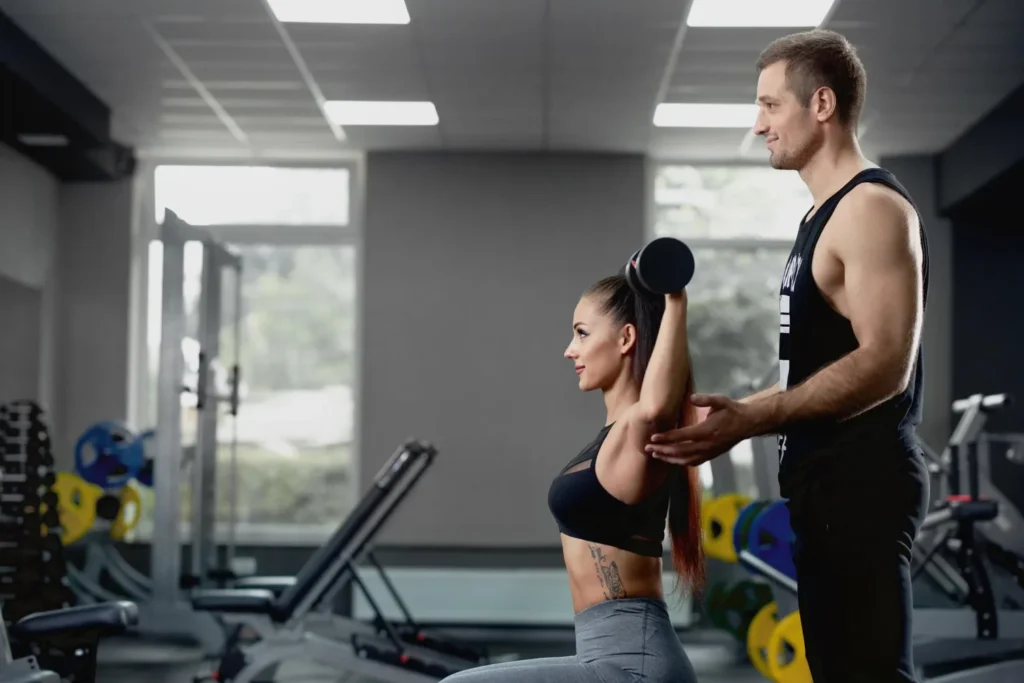
- You want coaching, not just access → boutique studios or CrossFit-style boxes deliver far more attention per session than any chain gym, at a real cost premium that’s usually worth it if accountability has been your actual bottleneck.
- You’re new to structured training and unsure what you even like yet → this is the one case worth spending on a few different day passes before committing anywhere. A month of exploring is cheaper than a year-long contract at the wrong gym.
What to actually check before signing anything
- Contract length and lock-in. Many gyms default to 12-month commitments; ask directly about shorter options if you’re not ready to commit long-term.
- Multi-branch access. Some chains let one membership work across the whole city; others don’t. If you split time between home and office neighborhoods, this matters more than the sticker price.
- Peak-hour crowding. Visit at the time you’d actually train, not during a quiet mid-afternoon tour — Bangkok’s popular gyms get genuinely packed after work.
- What’s actually included vs. paid add-ons. Classes, sauna access, and personal training are bundled differently at every gym; get the real breakdown before comparing prices across two clubs.
The short version
There’s no single “best gym in Bangkok” — there’s a best category for how you actually train, and the fastest way to waste a year-long contract is picking based on lobby aesthetics instead. Match the category to your actual habits, check the contract terms before you sign, and remember that the gym you’ll walk into three times a week beats the impressive one you’ll visit twice a month.
This guide will be updated periodically as Bangkok’s gym market changes. If you run a gym or studio and believe a detail here is out of date, contact us.