Bangkok has more personal trainers per square kilometer than almost any city in Southeast Asia — which is exactly the problem. More choice doesn’t mean more clarity. Here’s how the market actually breaks down, what you should expect to pay, and how to tell a coach who’ll get you results from one who’s just good at selling packages.
Ask five people in Bangkok what a personal trainer costs and you’ll get five different answers, all of them technically correct. That’s because “personal training” here isn’t one product — it’s a spectrum running from a 300-baht freelancer holding pads in a public park to a six-figure-a-session concierge coach who arrives by BMW. Most people training seriously in this city sit somewhere in the middle, and most people overpay or underpay simply because nobody explained where the middle actually is.
This guide is that explanation. It won’t tell you which specific trainer to book — that depends on your goals, your budget, and honestly your personality fit with the coach. What it will do is give you the framework to evaluate any option in front of you, so you’re paying for expertise instead of paying for a sales pitch that sounded confident.

What “personal training” actually means in Bangkok
Before price, it’s worth separating out the four setups you’ll run into, because they’re not interchangeable:
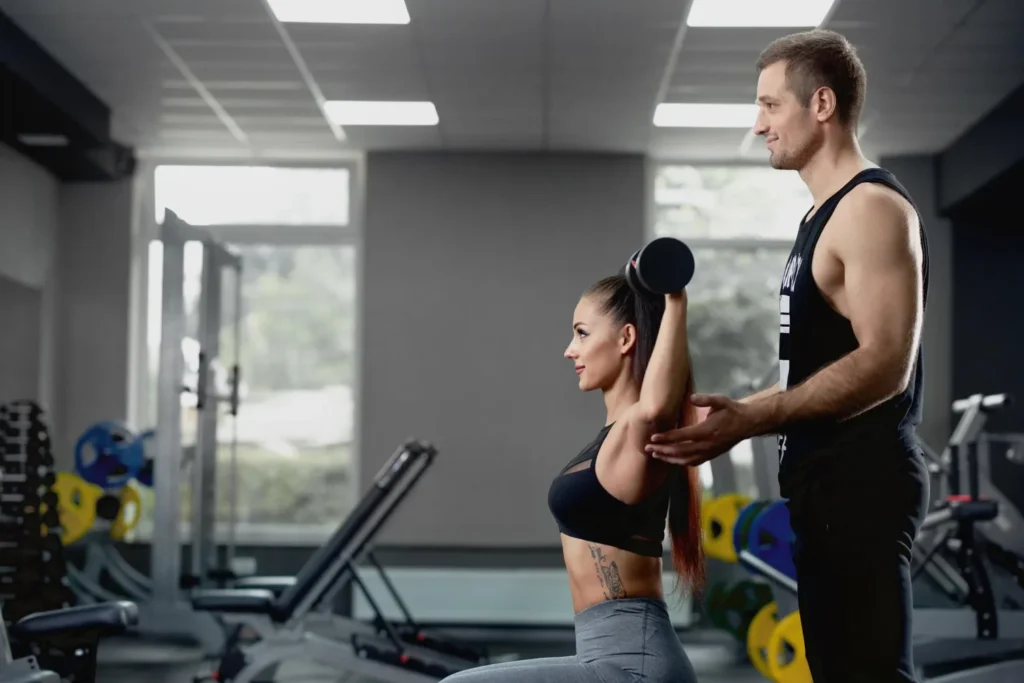
Gym-based trainers, working out of chains like Fitness First, Virgin Active, or Jetts. You typically need a gym membership first, then buy sessions on top. Trainers here are often early-career — some excellent, some still finding their footing — and part of their job is hitting a monthly sales quota, which is worth knowing going in.
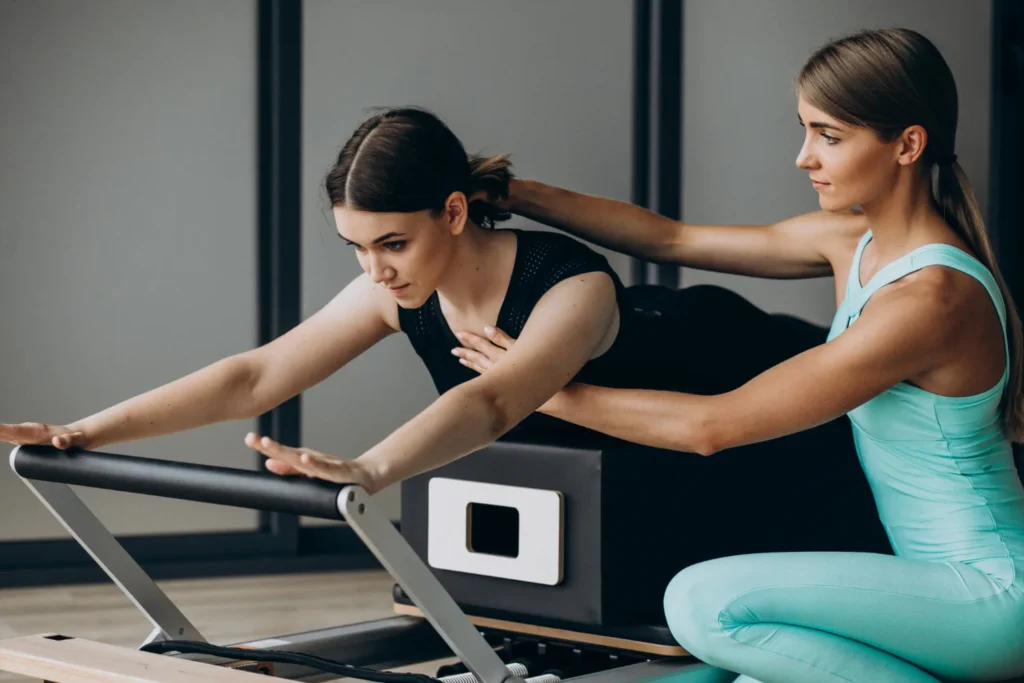
Boutique studio trainers, at smaller operations that specialize in a training style (strength, reformer-based work, HIIT circuits, and so on). You’re paying partly for the coaching and partly for a more curated environment — smaller class sizes, more specialized equipment, less gym-floor noise.
Freelance and in-home trainers, who bring the session to your condo gym or a nearby park. Convenience is the main selling point, and quality varies enormously — this bucket contains both some of the best-value coaching in the city and some of the least qualified.
Semi-private and small-group training, where two or three people split a session (and the cost). If you’re self-motivated and don’t need one-on-one attention every session, this is often the smartest financial move in the entire market.
None of these is objectively “the best” setup. They’re the best for different people. A first-time gym-goer often does better with the accountability structure of a boutique studio; someone who already knows how to train but wants programming and form correction might get equal value from a cheaper semi-private setup.
What you should actually expect to pay
Bangkok’s personal training market roughly sorts into three tiers. These aren’t official categories — they’re patterns that hold up consistently across the city.
Entry tier — roughly 300–800 baht per session. This is where you’ll find trainers new to the industry, working full-time at chain gyms, or freelancing without formal certification. Some are genuinely good — enthusiastic, attentive, still building their client base and eager to prove themselves. Others are simply unqualified. At this tier, the burden is on you to vet harder than usual.
Mid tier — roughly 800–1,800 baht per session. The bulk of Bangkok’s serious training market lives here. Certified coaches, real track records, often specialized in something specific — strength, weight loss, post-injury conditioning support. If you’re training two to three times a week at this rate, budget somewhere around 8,000–25,000 baht a month depending on frequency and setup.
Premium tier — roughly 2,000–3,500+ baht per session. Elite coaches, private studios, niche specializations, often a client base of executives and long-term repeat clients. You’re paying for depth of experience and — often — a more comprehensive package: movement screening, structured progress tracking, sometimes nutrition guidance folded in.
There’s a fourth tier above all of this — Bangkok has at least one trainer charging six figures per session as a full lifestyle-concierge package — but that’s a different product entirely (part coaching, part personal chef, part life coach) and not what most readers of this guide are shopping for.
“The price tells you what you’re paying. It doesn’t tell you what you’re getting. That’s on you to find out before you sign anything.”
The questions that actually separate good trainers from good salespeople
Bangkok’s PT market has a well-known structural quirk: trainers at commercial gyms are often under real pressure to sell packages, because their income depends on it as much as their coaching does. That’s not automatically a red flag — some excellent coaches work under exactly this model — but it means you can’t rely on enthusiasm alone as a signal.
A few questions worth asking before you commit to anything beyond a trial session:
- What’s your actual certification, and is it internationally recognized? Not every credential is equal, and it’s a fair question to ask directly.
- Can I see how you structure a program, not just a single session? A good trainer thinks in weeks and months, not just the hour in front of you.
- What happens if I’m not seeing progress after four to six weeks? The answer tells you whether they track outcomes or just attendance.
- Who else have you worked with toward a goal similar to mine? Not for name-dropping — for evidence they’ve solved your specific problem before.
Be more cautious, not less, around trainers who lean heavily on transformation photos and big promises on social media. That doesn’t mean social-media-savvy trainers are bad — plenty are excellent — but the marketing polish should never substitute for a straight answer to the questions above.
What a good first session should look like
Most reputable setups in Bangkok start with some form of assessment before any actual training — body composition, mobility screening, sometimes a resting metabolic estimate. If a trainer skips straight from “hello” to a full workout with no assessment at all, that’s worth noting. It’s not always disqualifying, but it suggests the program that follows is generic rather than built around you.
Pay attention, too, to whether the trainer explains why you’re doing something, not just what to do. That’s a small tell with a large signal — coaches who can articulate the reasoning tend to also be the ones who adjust the plan intelligently when something isn’t working.
Packages, contracts, and the fine print worth actually reading
Most Bangkok gyms and studios sell sessions in bundles rather than one at a time, and larger packages meaningfully lower the per-session cost — which is exactly why it’s worth being deliberate rather than impulsive about the size of package you buy. Two details are easy to overlook and expensive to ignore:
- Expiry windows. Many packages must be used within three to four months of purchase. If your travel schedule or work load is unpredictable, a smaller package with a longer runway may be worth more than a “better deal” that expires before you can use it.
- Trainer continuity. At larger gyms and studios with staff turnover, ask directly whether you’re guaranteed the same trainer for the length of your package. Switching coaches mid-program resets more progress than most people expect.
Matching the setup to your actual goal
A last, practical filter: what you’re training for should shape which setup makes sense, more than budget alone.
- General fitness and habit-building — a mid-tier gym-based or boutique trainer is usually enough, and the accountability of a set schedule matters more than elite-level programming.
- Specific performance or strength goals — worth paying up toward the premium tier for a coach with a demonstrated specialization, since generalist programming plateaus faster the more advanced you get.
- Training around a desk-bound routine or older injuries — look specifically for a coach who talks comfortably about movement quality and mobility, not just intensity. (We cover this in more depth in our Mobility & Flexibility coverage.)
- Budget-conscious but wanting real coaching — semi-private or small-group training is genuinely underused in Bangkok relative to how well it works for most people.
The short version
Bangkok’s personal training market is wide enough that almost any budget can find something legitimate — the mistake most people make isn’t picking the wrong price tier, it’s skipping the vetting because the trainer in front of them seemed confident. Confidence is cheap. Ask about programming, ask about outcomes, and treat the first session as an audition, not a commitment.
If you’d rather skip the vetting process altogether, The Aspire Club is one of Bangkok’s longer-standing options for coaches who build programs around real data rather than guesswork — worth a look if the premium tier above is the range you’re shopping in.