Most people who want to start strength training get stuck before they lift a single weight — overwhelmed by conflicting programs, intimidated by gym floors full of people who look like they know what they’re doing. The actual starting point is simpler than the internet makes it look, and it doesn’t require a perfect plan on day one.
Strength training for beginners in Bangkok runs into the same universal hesitation as anywhere else — not knowing where to start, worrying about looking out of place, or getting lost in program complexity before ever touching a barbell. The good news: the fundamentals that actually drive results for a beginner are well-established, unglamorous, and considerably simpler than most of what gets marketed as “the best program.”
What actually matters for a beginner
Strip away the noise and beginner strength training comes down to a short list of genuinely important things:
- Compound exercises first. Movements that train multiple muscle groups at once — squats, presses, rows, hip hinges — give you the most return for the time invested, and they’re the foundation nearly every legitimate program is built around.
- Full-body training, 3 days a week, to start. For someone new to structured lifting, a full-body routine two to three times weekly builds a solid base faster than splitting muscle groups across more days, and it’s far easier to stay consistent with.
- Technique before load. The goal in the first several weeks isn’t to lift heavy — it’s to groove the movement pattern with a weight that’s genuinely manageable, so that when you do add load later, you’re adding it onto a foundation that can actually handle it safely.
- Progressive overload, applied gradually. This is the actual engine behind all strength progress: gradually increasing the demand on your muscles over time, whether through more weight, more reps, or more sets. For a beginner, that usually means small, consistent increases — a modest jump in weight or a rep or two more — rather than dramatic jumps session to session.
“Nobody gets strong from one perfect workout. They get strong from a boring number of unremarkable ones, done consistently, with the weight creeping up a little at a time.”

A realistic first 8 weeks
A sensible starting structure for someone new to this: a full-body session three times a week, built around five or six core movements (a squat variation, a press, a row, a hip hinge, and one or two accessory movements), done for 2–4 sets of roughly 8–12 reps each. Leave a rep or two “in reserve” on most sets rather than training to complete failure — this is both safer and, somewhat counterintuitively, more effective for consistent beginner progress than grinding out every possible rep.
Current exercise science guidance points to roughly 6–10 hard working sets per muscle group per week as a reasonable target for a beginner or early intermediate lifter — more isn’t automatically better, and pushing volume too high too fast is one of the more common ways new lifters end up sore, discouraged, or hurt within the first month.
A simple beginner-friendly structure:
- 3 sets of 8–12 goblet squats or leg press
- 3 sets of 8–12 dumbbell or machine chest press
- 3 sets of 10–15 rows
- 2 sets of 8–12 Romanian deadlifts or hip hinges
- 2 sets of core work (planks or a similar stability movement)
Adjust weight only after the top of your rep range feels genuinely manageable with clean form — not before.
Bangkok-specific practical notes
A few things worth knowing that are specific to training here rather than a generic “how to lift” guide:
- Condo gyms are usually not enough on their own. Most residential building gyms have limited free weights and no barbell or squat rack — fine for supplementary cardio, genuinely limiting for structured strength training. A commercial gym membership (see our gym-choosing guide) is worth it specifically for the equipment access, even if you’re training independently rather than with a coach.
- Hydration matters more here than in a temperate climate. Bangkok’s heat and humidity mean real fluid and electrolyte loss even in an air-conditioned gym, simply from the ambient conditions outside compounding with training stress — worth being more deliberate about this than you might be used to elsewhere.
- Recovery is doing real work too. Between the heat, humidity, and often demanding work schedules common in this city, recovery quality — sleep specifically — has an outsized effect on whether a beginner program actually sticks and progresses, rather than stalling out from accumulated fatigue.
When it’s worth getting coaching instead of going alone
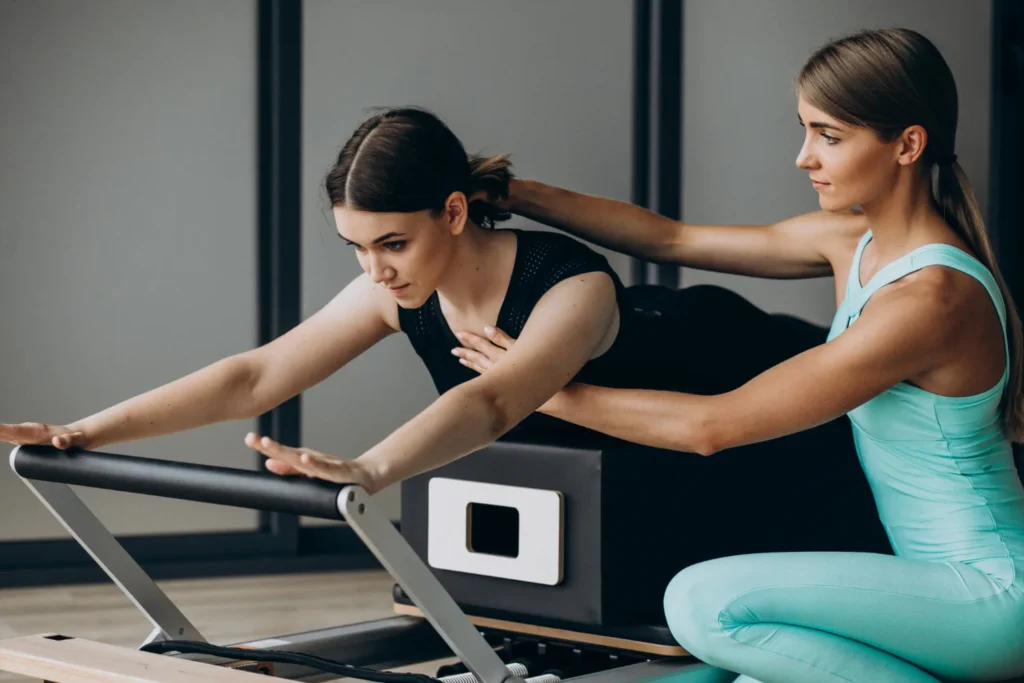
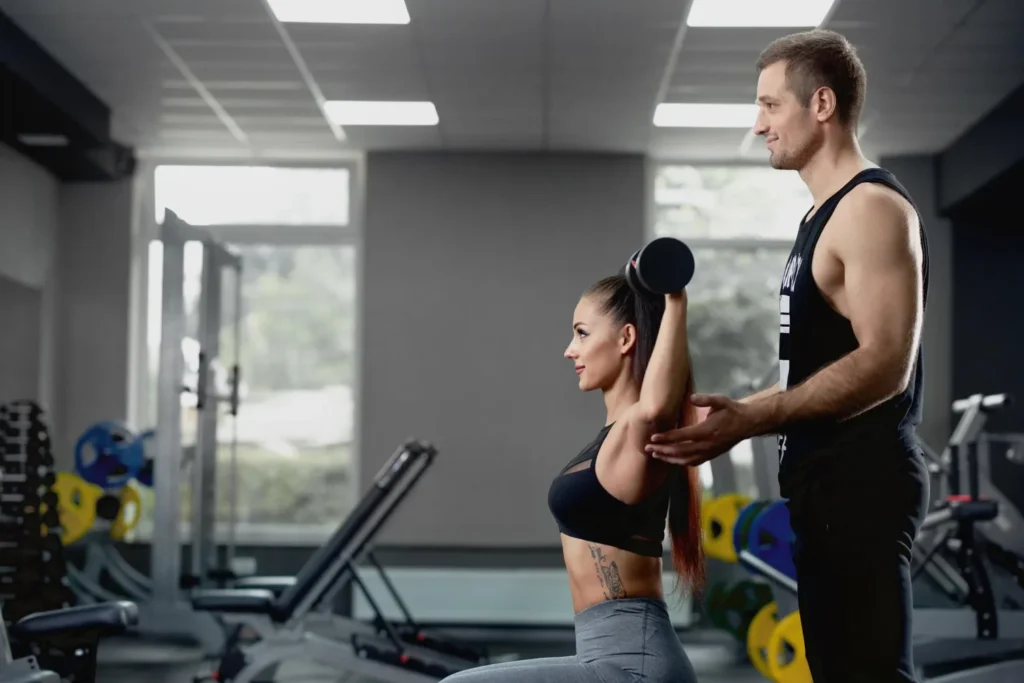
Self-directed beginner training works well for plenty of people, but it’s worth being honest about when guided instruction adds real value: if you’re unsure about form on the core lifts, if you’ve had a previous injury you’re training around, or if you know from past experience you’re unlikely to stay consistent without some external structure. None of those are weaknesses — they’re just reasonable reasons to consider a coached start rather than a purely independent one. (Our Personal Training guide covers what that actually looks like and costs in this market.)
The short version
Strength training for a genuine beginner comes down to a short, unglamorous list: compound movements, full-body sessions a few times a week, technique before load, and small, steady progressive overload rather than dramatic jumps. In Bangkok specifically, factor in gym access (condo gyms are usually insufficient alone), hydration given the climate, and recovery quality given the demands of the city’s schedule. None of it requires a perfect plan on day one — it requires showing up consistently and letting the weight creep up gradually.
This guide will be updated as training science and Bangkok’s gym landscape evolve. If you’re a coach or trainer and believe a detail here needs correction, contact us.
Sources