Common expat injuries in Bangkok tend to follow a distinct pattern — shaped less by age or fitness level, and more by a specific mix of activities that’s genuinely different from what most people were doing back home. Here’s what actually shows up most, and how physiotherapy approaches each one.
Move to Bangkok and your activity mix often changes fast: running outdoors year-round instead of seasonally, trying Muay Thai for the first time, taking up padel, or hitting a well-equipped gym more often simply because one’s finally within walking distance. That shift is genuinely good for most people’s fitness — and it also explains why the injury patterns physiotherapists see among expats here look a bit different from what a general physio clinic elsewhere might treat.
Running injuries
Bangkok’s growing running culture — helped along by parks, riverside paths, and a genuine running community — comes with a predictable set of overuse injuries: IT band syndrome (lateral knee pain from the iliotibial band), plantar fasciitis (heel pain, often worse first thing in the morning), Achilles tendinopathy, runner’s knee (patellofemoral pain), and shin splints. Heat and humidity add a real complication here beyond what temperate-climate runners deal with — training through Bangkok’s conditions changes pacing and form under fatigue in ways that can accelerate overuse patterns if volume increases too quickly without adjusting for the climate.
Physiotherapy treatment for these typically combines manual therapy, targeted strengthening (weak hip and glute muscles are a common underlying contributor to several of these conditions, not just the painful area itself), and a structured, gradual return-to-running plan rather than a blanket “rest completely” approach.
Muay Thai and contact sport injuries
For expats training Muay Thai — whether casually or seriously — the injury profile is genuinely different from most other sports: shin contusions and deep bruising from checking kicks, ankle and knee strains from pivoting and clinch work, occasional rib trauma from clinch knees, and muscle strains connected to training in heat without adequate hydration. Most of these are minor and resolve in one to two weeks with appropriate care; more serious strains or suspected fractures need imaging before physiotherapy is appropriate, not instead of it.
Recovery-minded training culture is actually well established in Muay Thai specifically — knowing when to push, when to rest, and when a physio session belongs in the training week rather than being treated as an admission of weakness.
Gym and strength training injuries
A less climate-driven but very common category: rotator cuff irritation from pressing movements, and lower back strain, often from unfamiliar equipment, jumping into heavier loads too quickly, or simply not having built the technique foundation a new gym environment doesn’t automatically provide. This is a case where good coaching (see our Personal Training guide) genuinely prevents a real share of the injuries physios end up treating — technique problems caught early are far cheaper to fix than the injury they eventually cause.
Racquet and paddle sports
Padel’s rapid rise in popularity in Bangkok has brought a matching rise in tennis elbow and related overuse injuries from repetitive swinging motions — often in people who haven’t played a racquet sport regularly before and ramp up frequency faster than their forearm and shoulder tissue has adapted to.
How Physiotherapy Treats These Common Expat Injuries in Bangkok
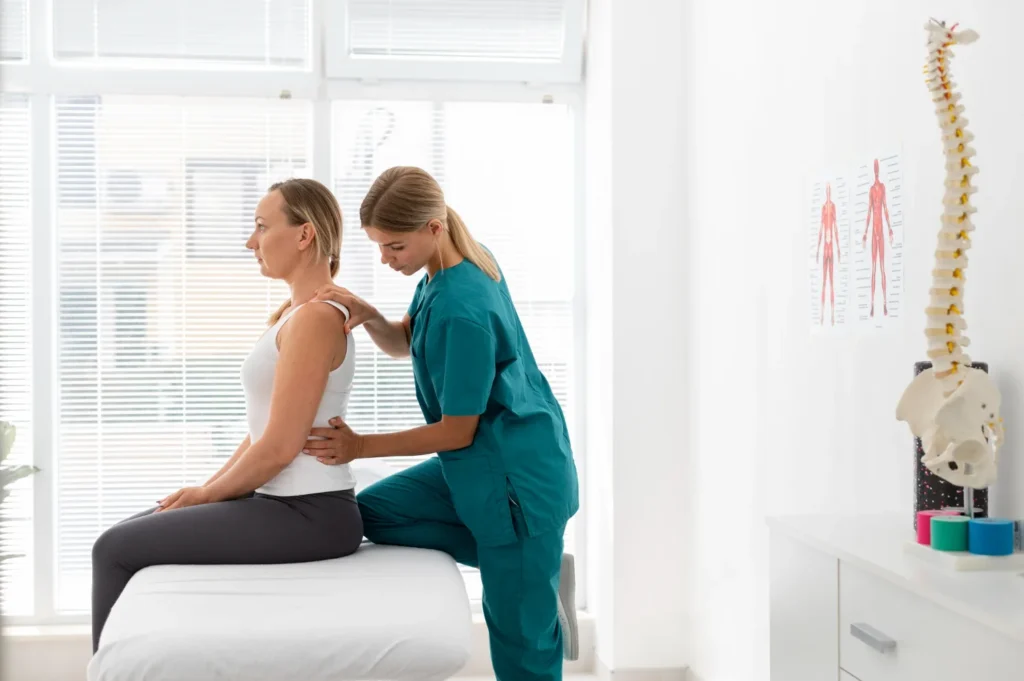
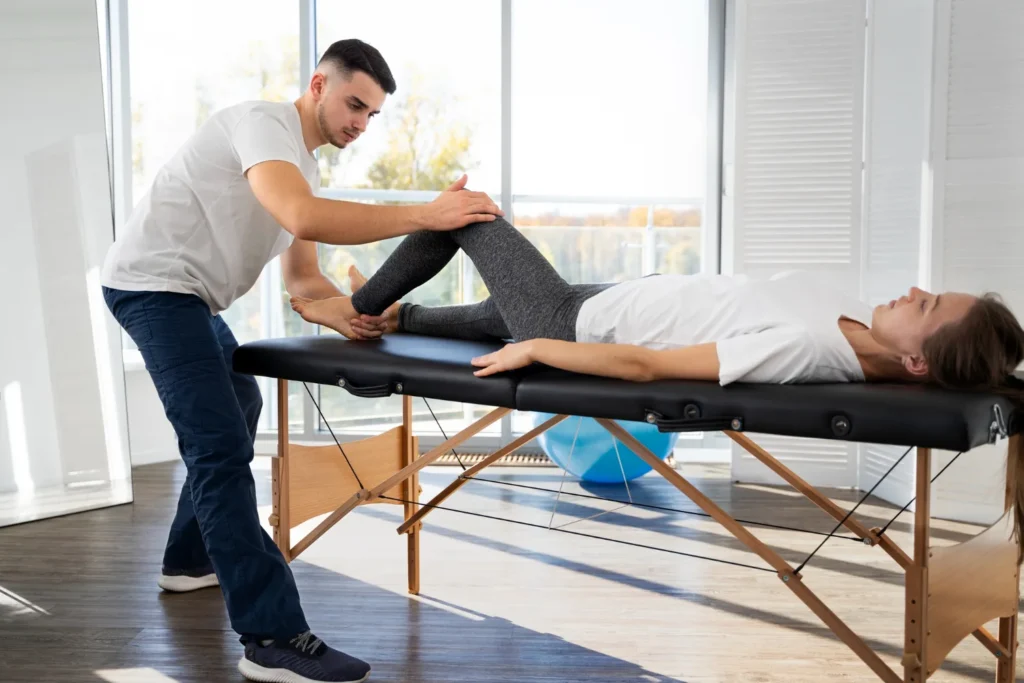
Across all of the above, a well-run physiotherapy approach follows a similar structure: an assessment identifying not just the painful spot but the underlying mechanical cause, manual therapy techniques like trigger point work to address the immediate issue, and a progressive strengthening and return-to-activity plan rather than treatment that stops the moment pain subsides. Our main Physiotherapy guide covers the general cost and process in more depth — this piece is specifically about which injuries show up most and why.
When you need more than physiotherapy
A physiotherapist is the right first stop for most of what’s listed above, but a few signals mean imaging and an orthopedic consultation should come first: suspected fractures, significant swelling that doesn’t improve within a few days, numbness or instability in a joint, or any injury from a genuine trauma (a fall, a collision) rather than gradual overuse. Bangkok’s major private hospitals have dedicated sports medicine departments for exactly this level of care, often working alongside physiotherapy rather than instead of it.
The short version
Common expat injuries in Bangkok cluster around a specific set of activities — running, Muay Thai, gym training, and increasingly padel — each with its own predictable injury pattern shaped partly by the climate and partly by trying new sports faster than the body has adapted. Physiotherapy treats nearly all of it well, combining manual therapy with a real strengthening and return-to-activity plan rather than just symptom relief.
Physio Bangkok treats this exact mix of sports and gym-related injuries regularly, with therapists who are also certified personal trainers — a genuine advantage for anything requiring both rehab and a safe path back into training.