Sports physiotherapy is not a separate licence. It is a physiotherapist whose job is getting you back to a specific sport, which means testing your readiness, not just easing your pain. Here is when it is worth seeking out, what to expect, and what the research says about return to sport and prevention.
Sports physiotherapy in Bangkok sits at the intersection of two booming things: more people training seriously and more clinics advertising to them. Park runners, padel players, Hyrox entrants, and Muay Thai students all end up in the same waiting rooms, and almost every clinic now uses the word “sports.”
The label is cheap. What matters is whether a clinician treats your injury and also prepares you for the exact demands of your sport, then checks that you are ready before you go back. This guide explains the difference, when you need it, and what the best evidence says.
What sports physiotherapy is, and what it is not
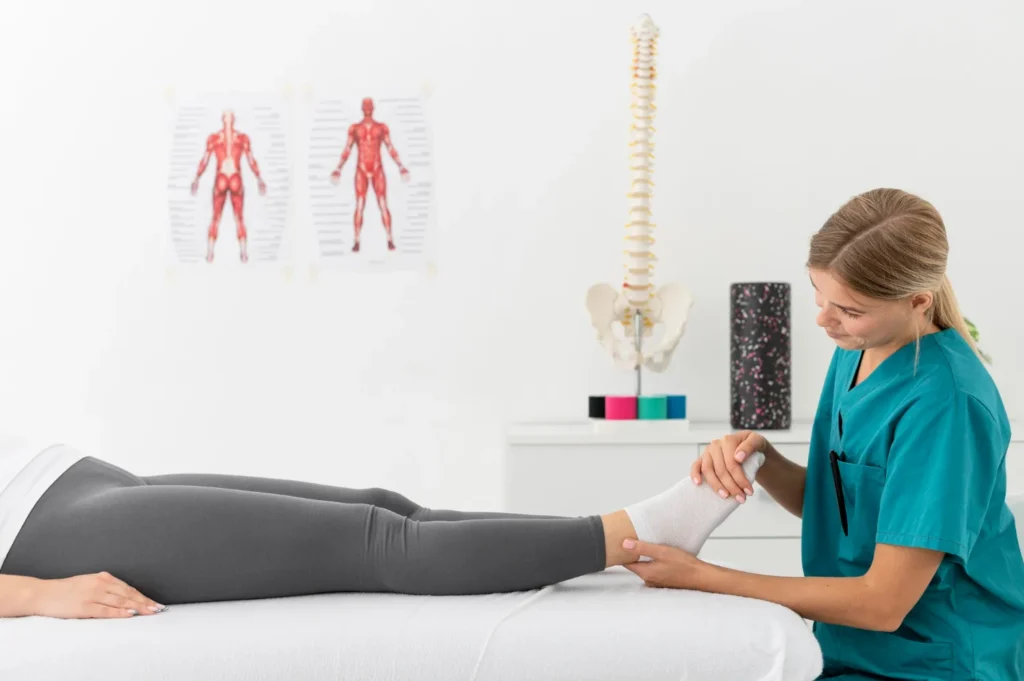
A sports physiotherapist is a physiotherapist who focuses on injuries in people who train or compete. The work usually has four parts: treating the injury, rebuilding strength and control with progressive loading, managing how much you train in the meantime, and deciding when you are ready for your sport.
In Thailand, the legal requirement is the same physiotherapy licence as for any other physiotherapist, issued by the Physical Therapy Council. We did not find a separate formal sports specialty licence, so “sports” is generally a claim about experience and further training. Ask what it means in practice, and see our guide on how to choose a physiotherapist in Bangkok for the licence and credential checks.
Do you need a sports physio in Bangkok, or a general physiotherapist?
A general physiotherapist is the right start for most new aches. Our back pain guide, knee pain guide, physiotherapy guide, and guide to common expat injuries cover those. Sports physiotherapy earns its extra effort in these situations:
- You need to return to a specific sport or level, not just to normal daily life.
- The injury keeps coming back, or a tendon problem has not settled with ordinary rest.
- You are recovering from surgery, such as an ACL or shoulder repair, and need a staged plan with criteria.
- You are training toward an event, such as a race, a Hyrox, or a tournament, and need to keep training around the injury.
- You are not sure whether your technique or training load is the cause.
For anything involving a deformed joint, a hot swollen knee, inability to bear weight, or a locked joint, see a doctor first, as our knee pain guide explains.
What a sports physiotherapy assessment looks like
This is a researched description, not a first-person account.
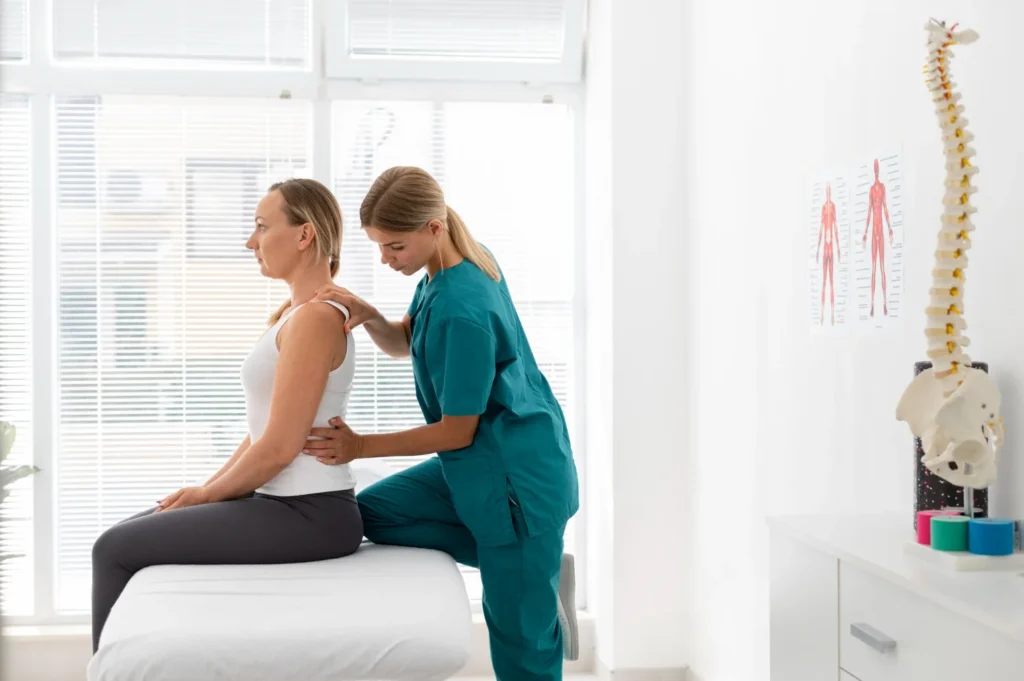
Expect questions about your sport and your training: what you do, how often, how it changed recently, and what you want to get back to. Then expect an examination that goes beyond the sore spot, with strength tests, movement tests, and sport-specific tasks such as squatting, hopping, landing, or running. Imaging is a later step, if at all, as our knee and back pain guides explain.
Some Bangkok hospitals add technology to this. Samitivej Sukhumvit’s sports medicine services include a running lab with movement analysis, VO2 max testing, and balance and strength testing, and its VO2 max screening plus running analysis program was listed at 8,500 baht including doctor’s fees. That kind of testing is useful when a number or a video changes the plan, and not worth paying for as a routine.
The most important output is a plan with phases, a way of measuring progress, and a clear statement of what you will need to be able to do before returning.
Return to sport: decide by criteria, not by the calendar
The strongest evidence in sports physiotherapy is about when to go back. In the Delaware-Oslo cohort study, 106 athletes who had ACL reconstruction and played pivoting sports were followed for two years. Reinjury rates fell by about 51 percent for each month that return was delayed up to nine months, and athletes with more symmetrical thigh (quadriceps) strength before returning had lower reinjury rates. Those who passed a full set of strength and hop-test criteria had a reinjury rate of about 6 percent, against roughly 38 percent for those who failed any of them, which the authors summarized as an 84 percent lower risk.
Hold that figure lightly. The cohort was small, only 18 athletes passed every test, and the headline estimate was imprecise. The consistent message is more modest and more useful: strength symmetry and passing objective tests matter, and rushing back is costly. A systematic review also found that only about 55 percent of people return to competitive sport after ACL reconstruction, so the plan should be realistic, too.
Being pain-free does not mean being ready. Ready means you can pass the tests your sport demands.
Doctors at Bumrungrad’s sports medicine center make the same point publicly, noting that a pain-free athlete is not necessarily ready to return. A good clinic will tell you in advance what you need to pass: strength comparisons between legs, hop and landing tests, sport-specific drills, and confidence in the joint.
Does injury prevention work?
Partly, and the parts that work are not glamorous. A 2014 meta-analysis in the British Journal of Sports Medicine found that strength training cut sports injuries by about a third for acute injuries and by about half for overuse injuries, that proprioception (balance) training also helped, and that stretching alone did not reduce injuries. Structured programs such as FIFA 11+ reduced overall injuries by roughly 30 percent in football meta-analyses, though two of the four reviews were rated critically low in quality, and including Nordic hamstring exercises was linked with up to about half fewer hamstring injuries.
The pattern is consistent with the injury data in our padel guide and Hyrox guide: most injuries in recreational sport come from overuse, so progressive strength work and sensible training load are the dependable protection. A Bumrungrad sports medicine specialist describes it similarly, saying most exercise-related injuries stem from repetitive use, muscle imbalances, or improper movement, not accidents.
Be skeptical of clinics that promise to prevent injury with one assessment or one gadget. If you want to build the base, our strength training guide for beginners is a place to start.
Sports physiotherapy in Bangkok: the options and what they cost
Sports injuries in Bangkok are treated at both hospital sports centers and independent clinics. Prices run from roughly 800 to 4,000 baht a session depending on the setting, as set out in our back pain guide, with hospital programs priced separately. These are examples drawn from the providers’ own pages, not a ranking.
- Samitivej Sukhumvit, Sport and Orthopedic Center, with a multidisciplinary team of sports doctors, orthopedic surgeons, physical therapists, and sports scientists, a running lab, and a sister center in Srinakarin.
- Bumrungrad Sports Medicine and Joint Center, working with its VitalLife wellness center, and describing a systematic return-to-play assessment.
- Bangkok Hospital’s BASEM, which lists a return-to-sports program with fitness assessment and strength rehabilitation.
- Independent private clinics, including ones with their own gym floors, which are often quicker to book, with quality that varies, so apply the checks in our guide to choosing a physiotherapist.
Hospital centers suit cases that may need imaging or surgery. Independent clinics suit staged rehab and ongoing strength work. If the injury could involve surgery, start with a sports medicine doctor.
Running injuries and other sports
Running injuries treatment in Bangkok follows the same pattern as everything above: find out what you are loading, rebuild strength, and return in stages. In a survey of Hyrox athletes, running was the element most often linked with injury, and in padel the elbow and ankle are common and the eyes are a distinct risk. Heat and air quality also matter for return to outdoor training, so read our guide to exercising in Bangkok’s air pollution season and our HIIT guide before you ramp up. Check, too, whether your insurer covers recreational and competitive sport, as our insurance guide explains.
Questions to ask a sports physiotherapist
- What will I need to be able to do before I go back to my sport?
- How will you test that, and what happens if I do not pass?
- How will we handle my training while I rehab?
- Do you work with a strength coach, or coach the strength work yourself?
- Will you coordinate with my doctor or coach?
- How do you decide when to stop treating me?
The short version
Sports physiotherapy in Bangkok is a physiotherapist’s skill set aimed at one goal, getting you back to a specific sport, and it earns its place when you need a staged return, keep re-injuring, or are recovering from surgery. The evidence says to decide return by criteria, not the calendar: strength symmetry and objective tests matter, delaying return up to about nine months after ACL surgery lowered reinjury in one cohort, and the famous 84 percent figure rests on a small sample. Prevention works mostly through progressive strength training, not stretching or screening gadgets. Hospital sports centers suit cases that may need imaging or surgery, independent clinics suit staged rehab, and sessions run roughly 800 to 4,000 baht.
Physio Bangkok, part of the same network as this site, is a physiotherapy clinic on Sukhumvit Soi 23 near Asok that lists sports injury rehab and ACL rehab among its services. Its physiotherapists are licensed, two are also qualified strength and conditioning specialists, and rehab can move to the gym floor in the same building, which fits the staged, strength-led approach described above. The first consultation is listed as free, and the clinic works in English and Thai. As with any clinic, ask what you will need to pass before returning to your sport.